Saggar 0.38.1
Codex's Everyday and Hard choices now start with GPT-6.1 Sol. Everyday uses high effort, and Hard uses max. Quick stays on GPT-6 Luna.
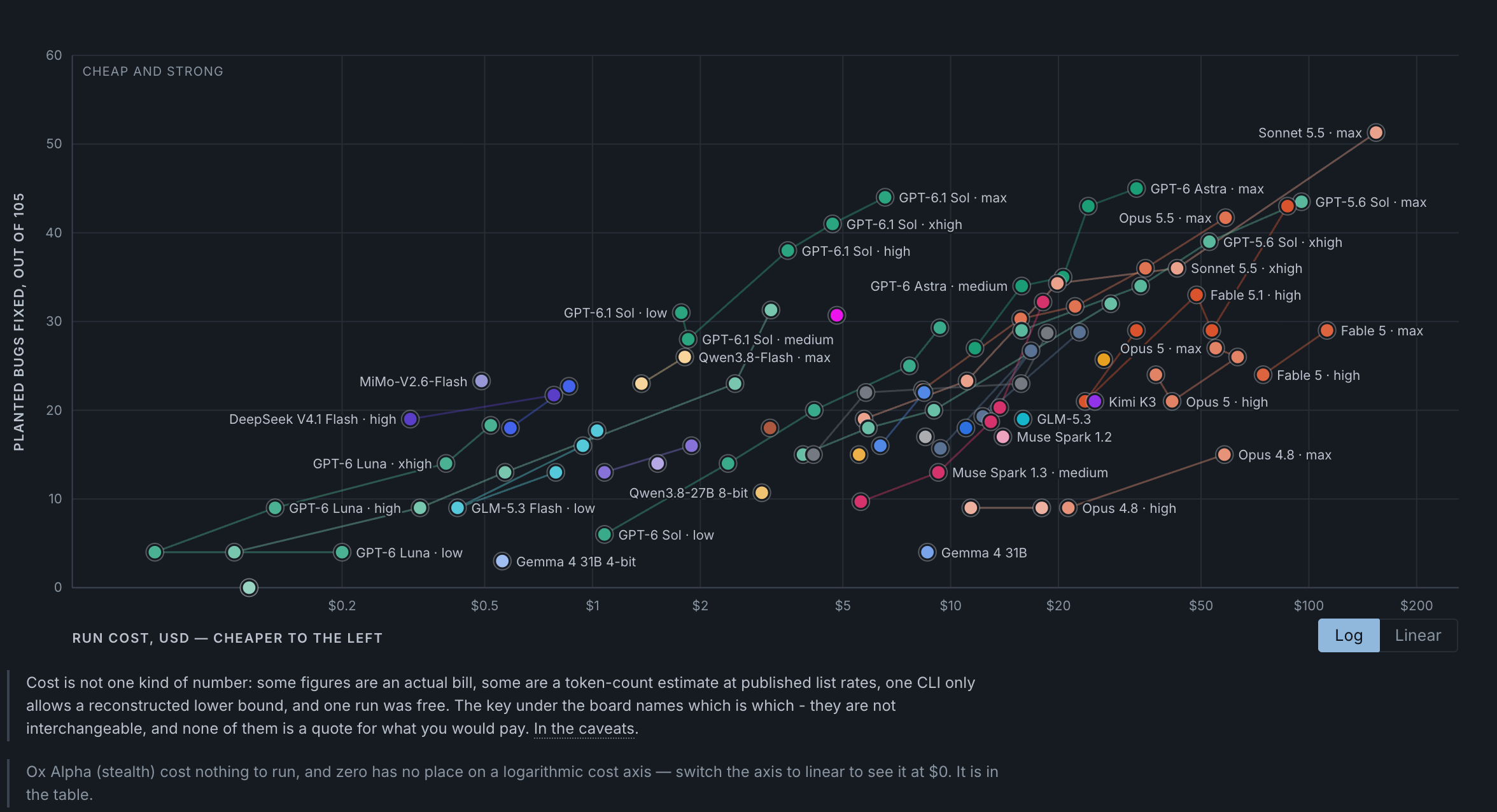
Codex's Everyday and Hard choices now start with GPT-6.1 Sol. Everyday uses high effort, and Hard uses max. Quick stays on GPT-6 Luna.
GPT-6.1 Sol now powers Saggar's Codex Everyday and Hard recommendations. Sonnet 5.5 has the highest score on Bug Hunt Bench at max, but its cost and runtime keep Opus 5.5 in Everyday for Claude.
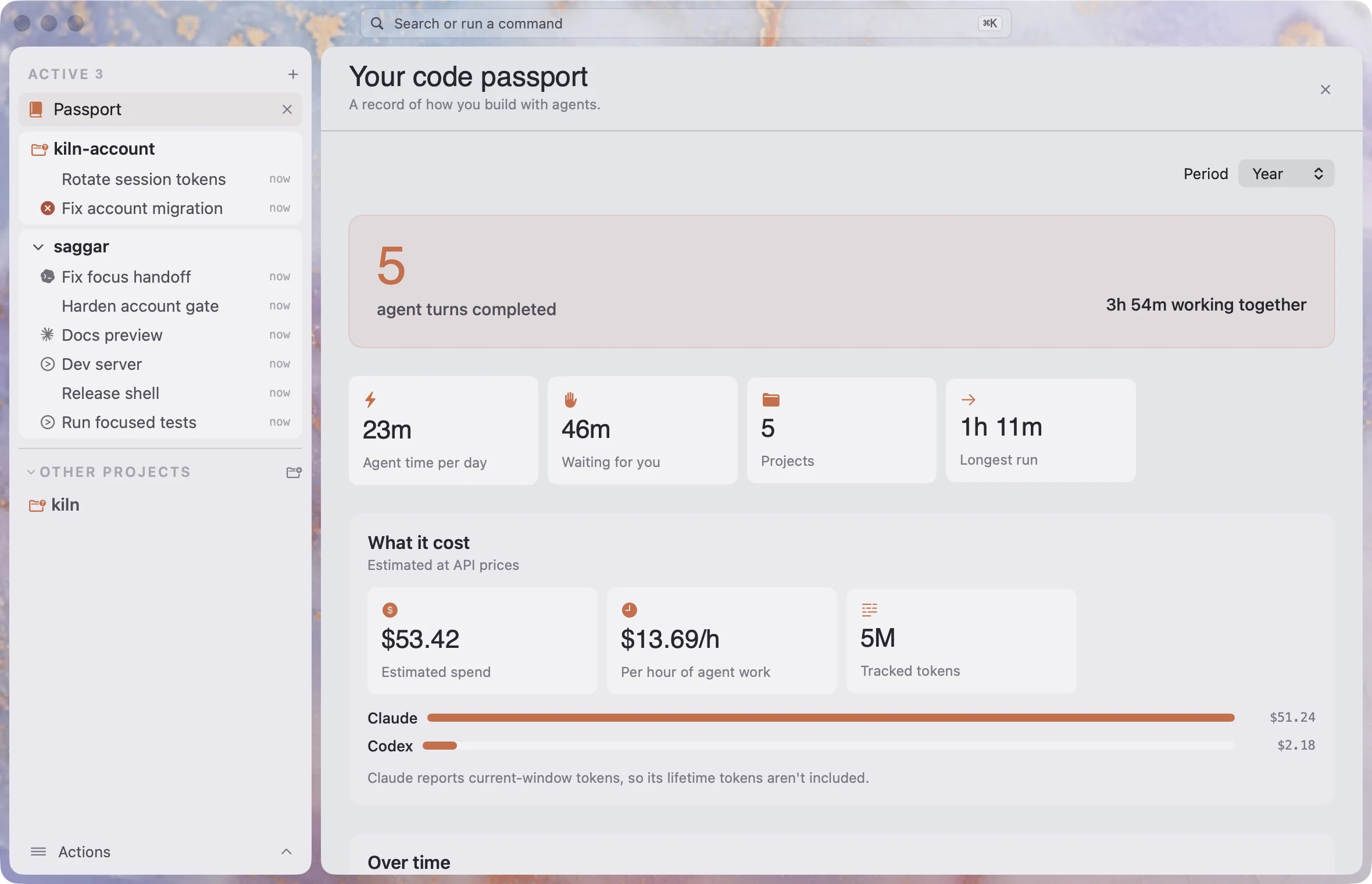
Passport now adds estimated cost to its record of agent work, so you can see spending alongside hours and tokens. This release also adds per-model Claude effort, session presets for scheduled tasks, and a home for commands you use across projects.
Saggar is live on DevHunt for its 29 September launch week.
Changes to how models are presented, file annotations, and hooks now work with Sentry, Jira, Zapier, Slack, or any service that sends a webhook, not just GitHub.
If you run lots of agents in parallel, sooner or later they all start a build or a test suite at the same moment, and your Mac grinds to a halt. turnstile might help.
Saggar now starts each Codex and Claude model on its own default effort, chosen for the best balance of results, cost, and time, rather than the provider's blanket default.
Use Opus 5.5 and GPT 6, see your corresponding pull requests, and more.
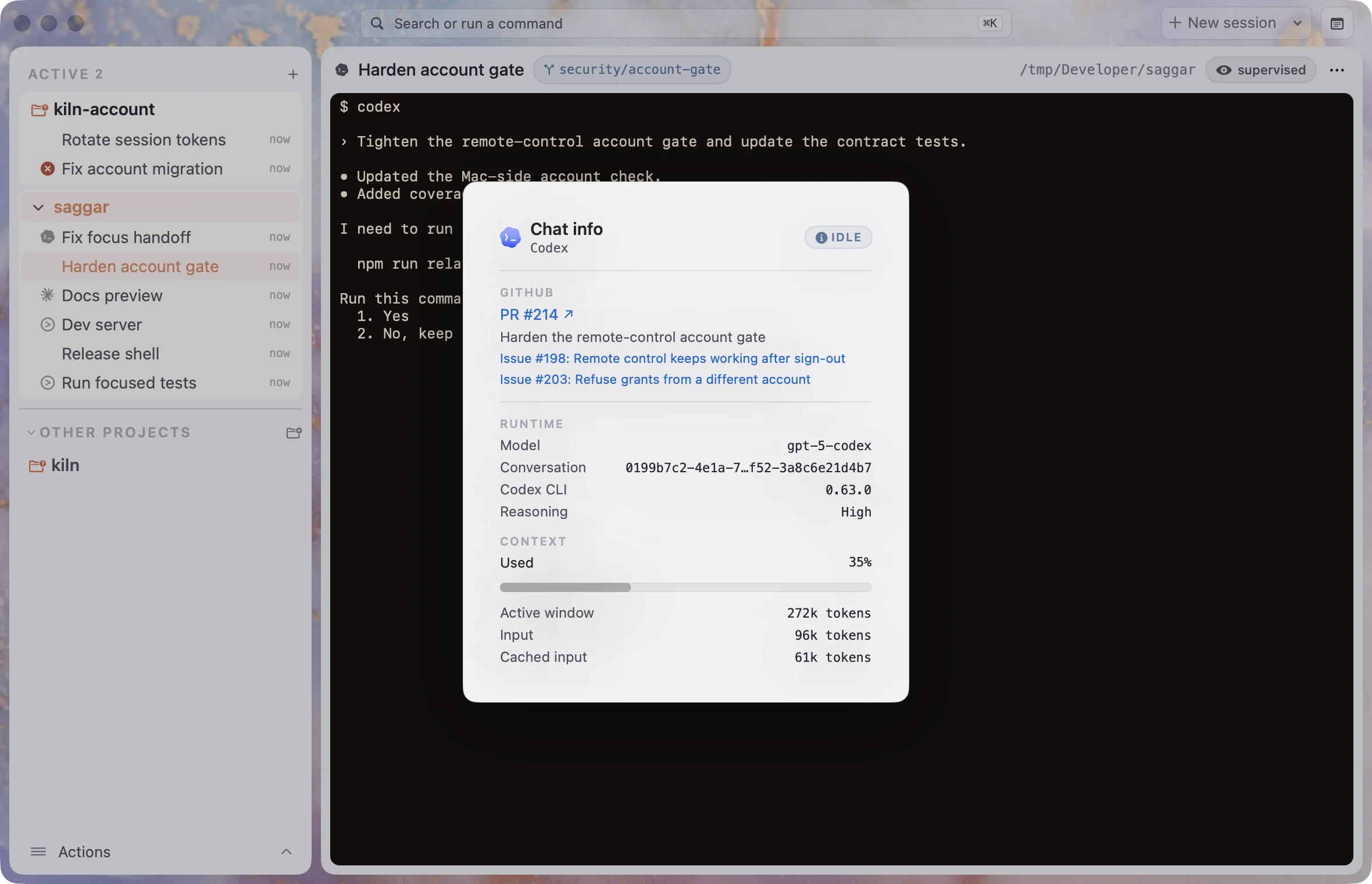

Saggar 0.36.0 shows you the shells an agent leaves running, and steadies statuses and link previews.

Saggar 0.35.0 gives you more ways to direct, inspect, and pick up agent work. It adds context controls, observer agents, queued launches, stronger mobile control, and substantial performance and reliability work.